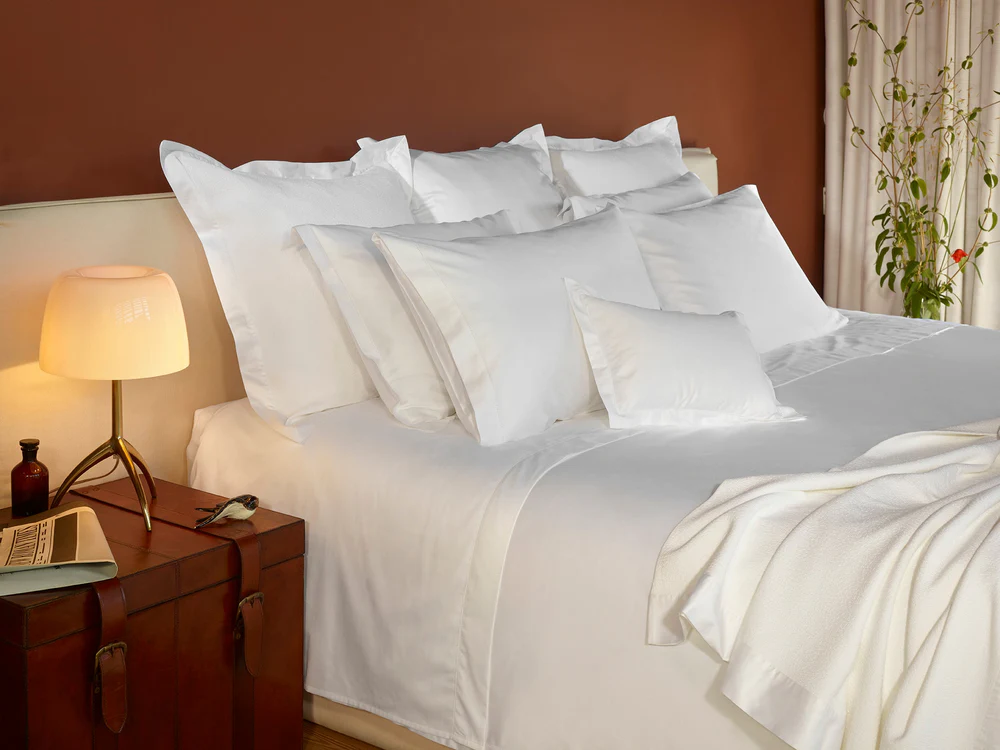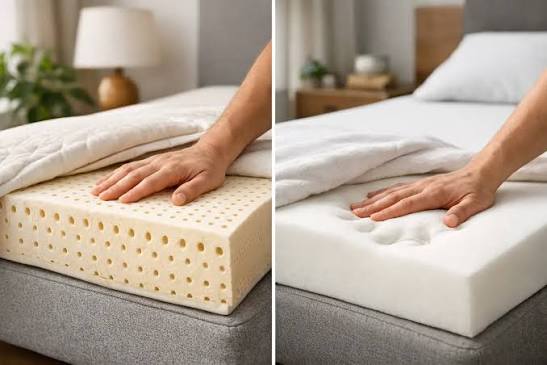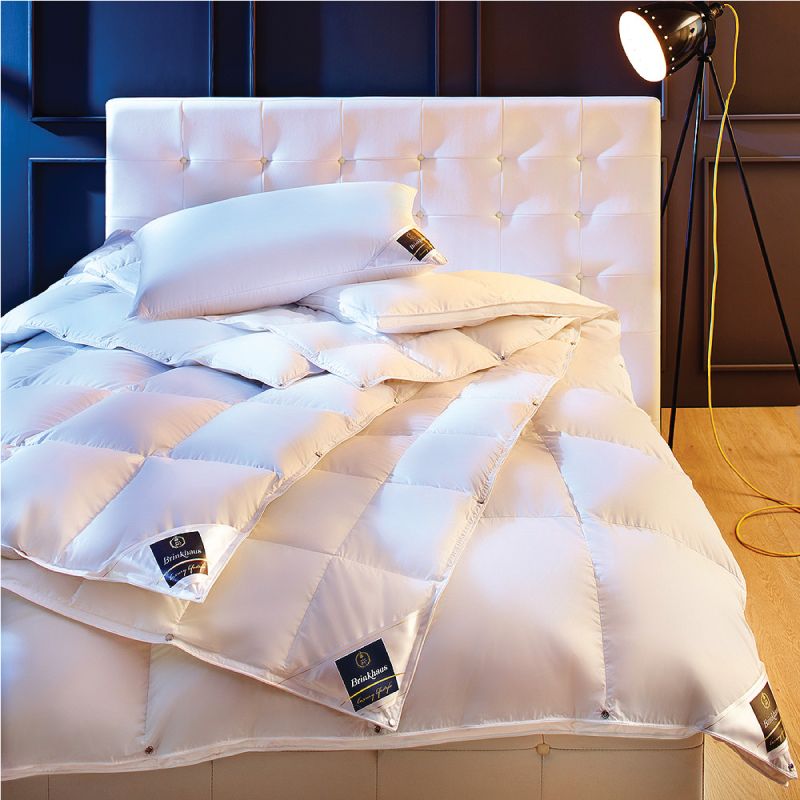


Travelling is exciting, but sleeping away from home? Not always.
New beds, unfamiliar sounds, bright lights, and disrupted routines can make falling asleep feel impossible.
If you’ve ever tossed and turned in a hotel room or struggled to sleep in a guest bedroom, you’re not alone. Research shows that our brains stay more alert in new environments—a phenomenon often called the “first-night effect.”
The good news? With the right travel sleep tips, you can rest well anywhere.
This guide shares practical, science-backed sleep tips to help you fall asleep faster, sleep deeper, and wake up refreshed—whether you’re staying in a hotel, Airbnb, or guest room.
Why Is It Hard to Sleep When Travelling?
Before fixing the problem, it helps to understand it.
Common reasons people struggle to sleep away from home
-
Unfamiliar mattresses and pillows
-
Noise from traffic, lifts, or other guests
-
Different room temperature or lighting
-
Jet lag or time zone changes
-
Stress from travel schedules or work commitments
Your body loves routine. When that routine changes, sleep often suffers.
Prepare for Better Sleep Before You Travel
Good sleep on the road starts at home.
Stick to your sleep schedule (as much as possible)
Try not to drastically change your bedtime in the days leading up to your trip. A stable sleep rhythm makes it easier to adjust later.
Pack sleep essentials
Bring small items that signal “sleep” to your brain:
-
Your own pillowcase
-
A familiar scent (lavender spray or essential oil)
-
Earplugs or noise-cancelling headphones
-
A lightweight sleep mask
These small comforts can make an unfamiliar room feel more like home.
Create a Sleep-Friendly Hotel Room Environment
Once you arrive, take a few minutes to set up your space for rest.
Control the light
Hotel rooms often have light leaks.
-
Close blackout curtains fully
-
Turn off electronic lights
-
Use a sleep mask if needed
Darkness supports melatonin production, which helps you fall asleep naturally.
Manage noise effectively
If the hotel is noisy:
-
Use white noise apps
-
Play calming sounds
-
Wear earplugs
Consistent background noise is better than sudden sounds that wake you up.
Set the right room temperature
Most people sleep best in a cool room.
-
Adjust the thermostat to around 18–20°C (64–68°F)
-
Use lighter bedding if the room feels warm
How to Sleep Better on an Unfamiliar Mattress
Hotel beds can be hit or miss.
Adjust the bed setup
-
Remove decorative cushions
-
Ask for extra pillows if needed
-
Place a folded towel under your knees or lower back for support
Focus on pressure relief
A mattress that doesn’t support your body can cause tossing and turning.
If you frequently struggle with sleep comfort—at home or while travelling—it may be time to look at sleep solutions designed for proper spinal support, like those recommended by Sleepmod.
Smart Evening Routines That Improve Travel Sleep
Your pre-sleep routine matters—even more when travelling.
Avoid screens before bed
Blue light from phones and laptops delays sleep.
-
Stop screen use 60 minutes before bedtime
-
Use night mode if screens are unavoidable
Eat light, sleep better
Heavy meals late at night can disrupt sleep.
-
Avoid spicy or rich foods
-
Skip caffeine after mid-afternoon
-
Choose herbal tea or warm milk instead
Try simple relaxation techniques
-
Deep breathing (4-7-8 method)
-
Gentle stretching
-
Short meditation
These help calm the nervous system and prepare your body for rest.
How to Deal with Jet Lag and Time Zone Changes
Jet lag is one of the biggest sleep challenges for travellers.
Adjust gradually
If possible:
-
Shift your sleep schedule 2–3 days before departure
-
Eat meals closer to your destination’s time zone
Get sunlight at the right time
-
Morning light helps reset your body clock
-
Avoid bright light late at night
Stay hydrated
Dehydration worsens fatigue and sleep problems. Drink water throughout the day.
Sleeping Well in a Guest Room or Someone Else’s Home
Sleeping at a friend’s or family member’s house comes with its own challenges.
Communicate your needs
It’s okay to ask for:
-
Extra blankets or pillows
-
A fan or heater
-
Curtains or blinds
Keep your routine familiar
-
Follow your usual bedtime habits
-
Bring your own sleepwear
-
Stick to your normal wind-down routine
Consistency helps your brain relax—even in a new place.
What If You Still Can’t Sleep?
Don’t force it.
Get out of bed if you’re awake
If you can’t sleep after 20–30 minutes:
-
Sit somewhere dimly lit
-
Read or listen to calming audio
-
Avoid checking the clock
Return to bed once you feel sleepy again.
Focus on rest, not perfection
Even light sleep or quiet rest helps your body recover. Stressing about sleep often makes it worse.
When Travel Sleep Problems Become a Pattern
If you frequently struggle with sleep—during travel and at home—it may point to a deeper issue such as:
-
Poor mattress support
-
Inadequate sleep environment
-
Inconsistent sleep habits
This is where expert guidance and quality sleep products make a real difference.
Sleepmod specialises in helping people improve sleep quality through better sleep solutions, expert advice, and comfort-focused products.
If restless nights are becoming the norm, it’s worth reaching out to the Sleepmod team for personalised support.
Frequently Asked Questions (FAQ)
How can I fall asleep faster in a hotel room?
Create a dark, cool, and quiet environment. Follow a calming bedtime routine and avoid screens before sleep.
What is the best way to block hotel noise?
Use earplugs, white noise apps, or noise-cancelling headphones for consistent background sound.
Why do I sleep badly the first night away?
The brain stays partially alert in unfamiliar environments. This usually improves after the first night.
Should I bring my own pillow when travelling?
Yes. Familiar pillows help with comfort, neck support, and faster sleep onset.
Can a bad mattress cause poor sleep while travelling?
Absolutely. Poor support affects spinal alignment and comfort, leading to restless sleep.
Final Thoughts: Sleep Well Wherever You Go
Travelling doesn’t have to mean sleepless nights. With the right preparation, environment, and habits, you can rest well—even in unfamiliar spaces.
And if sleep problems follow you everywhere, not just on the road, it may be time to invest in long-term sleep comfort.
For expert sleep guidance and comfort-focused solutions, contact Sleepmod and take the first step toward better sleep—at home and while travelling.